borrowed future: summary and key takeaways

Sneak Peek
Imagine reaching the pinnacle of educational success, only to be chained by the invisible shackles of debt. This scenario plays out repeatedly in America as student loans become a formidable obstacle to achieving the coveted American dream. 'Borrowed Future' explores the complex landscape of student debt and how it has reshaped the lives of millions. In this revealing summary, discover how the pursuit of education has transformed from a reliable path to success into a crushing financial burden, challenging the very ethos of opportunity in America.
“College tuition has risen enormously over the past five decades… It's no surprise that the student debt level has risen exponentially as people pursue their shot at the American dream.”
— David DiCicco
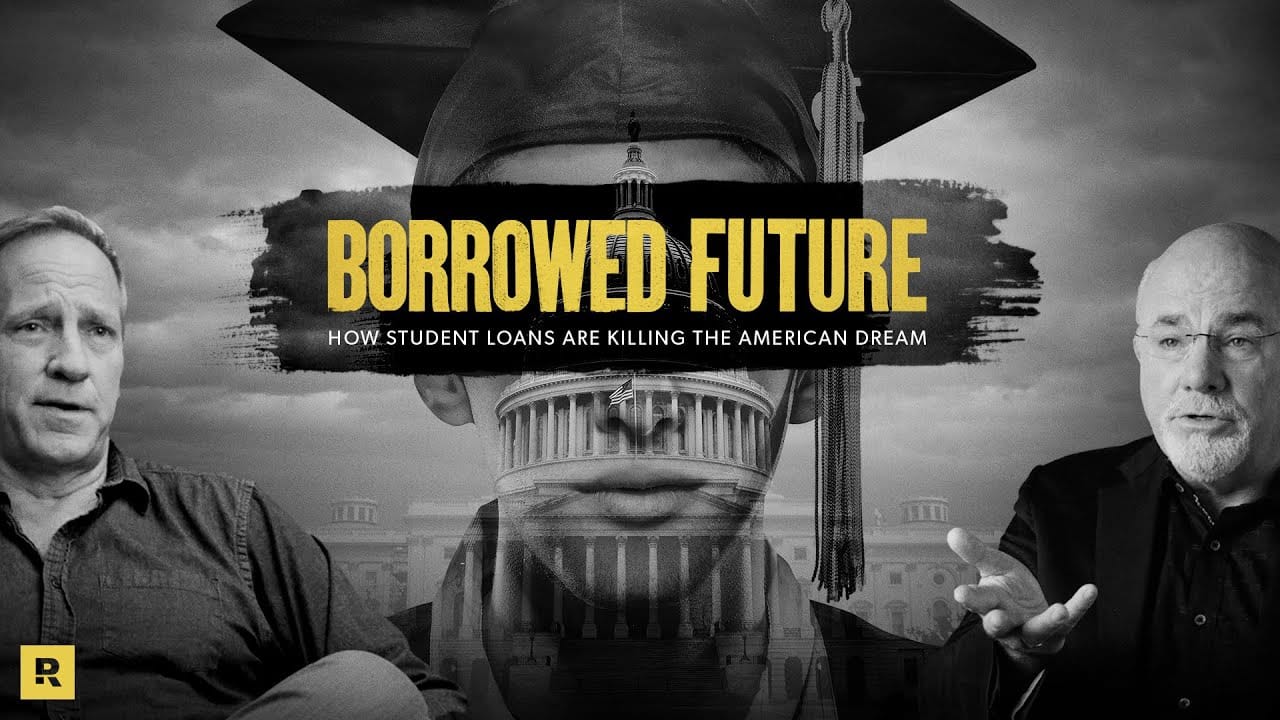
The Price of the American Dream
America once stood as a beacon of opportunity, where education was a stepping stone to a prosperous life. Yet, in contemporary society, this promise is increasingly compromised by the soaring cost of higher education. With over 44 million Americans entangled in student debt, the pursuit of knowledge often transforms from a dream into a nightmare. The exorbitant cost of tuition forces many to borrow heavily, locking them into a cycle of debt that impacts their life decisions long after graduation.
The Shift in Educational Value
Decades ago, education was seen as an intrinsic public good, a path to intellectual and professional development. However, the perception has shifted, turning education into a personal investment with financial returns eagerly anticipated. The student loan crisis is a byproduct of this cultural transition, where the emphasis is no longer on education for its own sake, but on its presumed economic benefits. This shift has led to an imbalance, elevating the value of a four-year degree while undervaluing alternate paths like apprenticeships and community colleges.
The Debt Delusion
Student loans are often marketed as 'good debt,' an investment in future earning potential. Yet, the reality for many borrowers is starkly different. Young people, sometimes lacking financial literacy, are persuaded to sign off on substantial loans with little understanding of the long-term implications. The belief that a degree guarantees a lucrative career often overlooks the looming financial burden, causing stress and financial insecurity as graduates confront the harsh realities of repayment.
Unintended Consequences
The sprawling student loan debt affects more than just the individuals; it ripples through society, altering career choices, delaying family formation, and hindering home ownership. These financial burdens restrict people's ability to engage in the economy and contribute to their communities. The burden of debt can lead to feelings of entrapment and hopelessness, overshadowing the excitement of embarking on a new chapter post-graduation and casting a lingering shadow on aspirational goals.
The Industry of Loans
What began as a government program to empower students has morphed into a lucrative business for private lenders. The entry of banks into the student loan arena transformed it from a public benefit into a profitable industry. Companies like Sallie Mae and Navient capitalize on students' ambitions by extending manageable and low-risk loans, often backed by federal guarantees that remove financial risks for lenders. This system props up rising education costs and transfers this exorbitant financial risk onto the borrowers.
The Hidden Costs of College
College isn't just a period of learning and growth—it's a significant financial undertaking. Families save for years, and students often rely on loans to cover tuition. However, hidden costs, like increased interest and fees, inflate the total debt owed. Borrowers are often unaware of or ill-prepared for these additional burdens, leading to default rates and financial distress as they attempt to navigate repayment under growing economic pressure.
A New Approach to Education
The narrative needs shift. Society must unravel the misconception that a traditional four-year college is the only valid path to success. Community colleges, trade schools, and certification programs offer viable and often less expensive routes to achieve career goals. This redefinition requires cultural change and the promotion of alternative education paths, emphasizing practical skills and financial literacy as keys to thriving in today's economy.
The Emotional and Social Impact
Beyond the financial, the emotional impact of carrying student debt is profound. This burden can cause stress, affecting mental health and straining personal relationships. The stigma of debt influences how individuals view their self-worth and agency. Young adults feeling trapped by their financial commitments often face struggles that sabotage their physical, emotional, and social well-being, underscoring the need for reform in educational financing.
Lessons from Experience
Stories from borrowers collect like cautionary tales. Individuals share how they fell into the debt trap despite doing 'everything right.' These tales highlight the flawed system, one that promises a prosperous future in return for unquestioned financial commitment. These real-life experiences shed light on the urgent need for better education about financial commitments and suggest that choice and knowledge could empower future generations to avoid similar pitfalls.
Future Solutions
As the crisis swells, solutions are paramount. Advocacy for policy reforms that protect borrowers, reduce interest rates, and offer viable alternatives to traditional loans is critical. Encouraging scholarship avenues and educating youth early about financial literacy can transform how society approaches and values education. Only through comprehensive change in policy, perception, and education will the true promise of education become accessible to all, without the burden of crippling debt.
Source
Borrowed Future | How Student Loans Are Killing The American Dream
Watch for free on YouTube: https://www.youtube.com/watch?v=W7krdoXswQA


