
philosophy

start a chain of goodness today
In Meditations, Marcus Aurelius wrote, “Find joy and rest in one thing alone: in moving from one socially useful act to another, while remaining mindful of God.” (6.7)
In general, Marcus, like other Stoics, wrote about being indifferent to both pleasure and pain, and hardly touched on the question

the wisdom within: finding solutions by focusing on the self
It's easy to get caught up in the whirlwind of our thoughts and problems in the modern world. Thomas Weiner's words, “Life resolves itself in the process of life itself,” remind us that life is a continuous journey of challenges and solutions. Instead of being consumed

day of the dead
Yesterday was Halloween in the US, and today and tomorrow, we celebrate its Mexican counterpart Day of the Dead, or Día de los Muertos. While the former is more or less a juvenile event involving candies, cosplay, and partying until late, the latter is a much more mature and poignant

a riveting ghost story from ancient greece
Today we celebrate Halloween, and since it’s a spooktacular time to share ghost stories, why not we talk about one right now? This story is from the land of the Stoics and it does come with some meaningful lessons so stay tuned for them at the end of the

fix the mind on your own self
“Peace comes from within. Do not seek it without.”
— Buddha
In the hustle and bustle of our daily lives, our attention is like a wandering traveler, always exploring the external world. We are engrossed in the problems and challenges that surround us, from the demands of work to the complexities

stoicism in the modern era
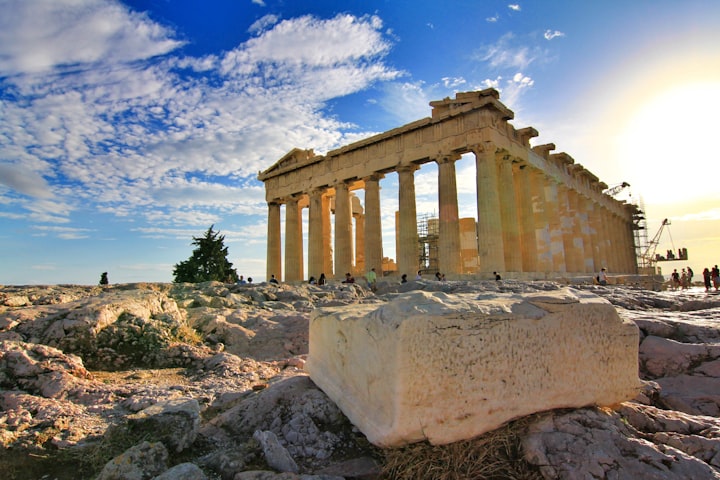
the significance of virtue in stoic philosophy
“The man who has virtue is in need of nothing whatever for the purpose of living well.” — Cicero
Stoicism was a school of philosophy established in Athens by Zeno of Citium in the early 3rd century BC. It gets its name from the Greek word stoa, which translates to porch.

guard your time (part 2)
While we might be good at safeguarding tangible possessions, constructing walls around our physical domains, Seneca gently nudges us to redirect our vigilance towards a more subtle but invaluable realm—the sanctuary of our minds.
Physical possessions, subject to loss and gain, possess a certain resilience. A stolen treasure can

guard your time (part 1)
“Were all the geniuses of history to focus on this single theme, they could never fully express their bafflement at the darkness of the human mind. No person would give up even an inch of their estate, and the slightest dispute with a neighbor can mean hell to pay; yet